Himalayan Kittens for Sale
With their striking blue eyes, luxurious long coats and gentle personalities, Himalayan cats are unforgettable companions. If you are searching for Himalayan kittens for sale in Texas, understanding their daily care, health needs and breeding background will help you find the right kitten for your home.
Explore Himalayan kitten listings and connect with sellers at PetSalesTexas.com. Always verify the seller and the kitten’s welfare before committing.
Himalayan Kittens for Sale
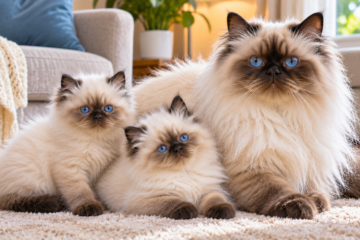
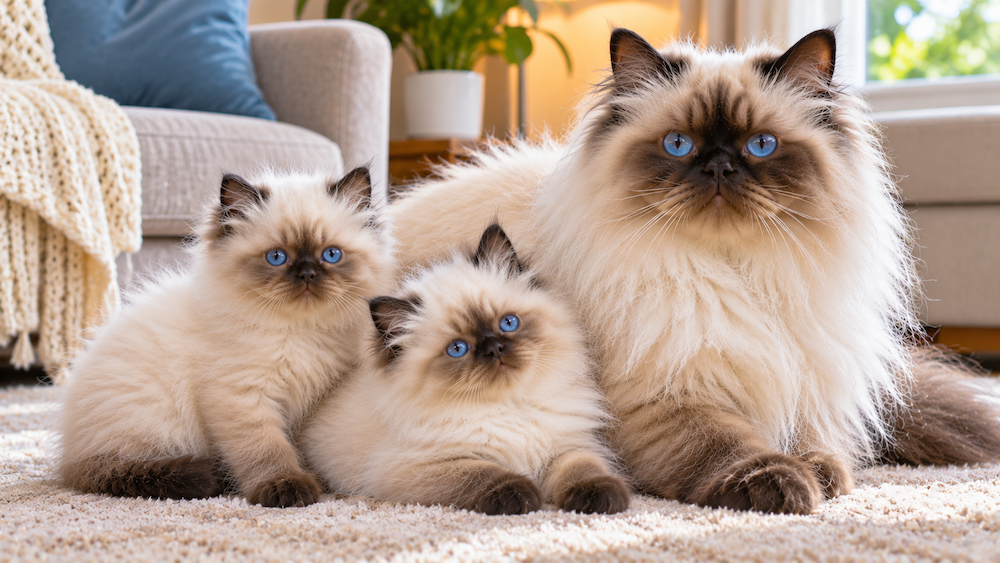
The Himalayan is a long-haired, colorpoint cat developed from Persian and Siamese ancestry. It combines the Persian’s rounded appearance and substantial coat with the Siamese-style pointed pattern: darker color on the face, ears, legs and tail. Its vivid blue eyes are among its most recognisable features.
In the United States, the Himalayan is often registered as a division of the Persian breed, although classification varies among cat registries. Buyers should confirm the exact pedigree designation, registration organization and parentage rather than relying solely on an advertisement title.
What Do Himalayan Kittens Look Like?
Kittens are born relatively pale, and their points become more apparent as they mature. Seal, blue, chocolate, lilac and other recognized point colors may be encountered, depending on pedigree standards. The coat grows fuller over time, so a fluffy kitten will eventually require considerably more maintenance than its early appearance suggests.
Preparing for Your New Kitten
Before collection, set up a quiet room with a litter tray, food and water stations, a comfortable bed, a scratching post and safe toys. A wide-toothed comb and a gentle grooming routine should be introduced from the first week. Ask the breeder for the kitten’s existing diet and litter type to make the transition easier.

Himalayan Kittens for Sale Near Me in Texas
Prospective owners may search in Houston, Dallas–Fort Worth, Austin, San Antonio, El Paso and smaller Texas communities, but responsible breeding matters more than distance. Himalayan kittens can be harder to find than common shorthaired breeds; a careful search and a waiting list are often safer than rushing into a purchase.
Look for breeders who welcome questions, show you the kitten in its normal living environment and explain how they socialize their litters. A reputable seller should be open about the parents’ health and should never pressure you to pay immediately.
Buying a Himalayan Kitten Responsibly in Texas
Texas does not have a single statewide kitten-sale age rule that applies to every private seller. Some breeders are subject to Texas licensed-breeder requirements, depending on their operations, and local ordinances may also apply. Many responsible pedigree breeders keep kittens until around 12–14 weeks so they can mature, socialize and receive appropriate veterinary care. Ask about applicable licensing, meet the kitten and its mother where feasible, and get a written sales contract.
Ask for veterinary examination records, age-appropriate FVRCP vaccination details, parasite-control history, pedigree papers if advertised and the parents’ genetic screening results. Avoid sellers who insist on an immediate deposit, refuse live video or in-person viewing, or cannot explain the kitten’s origins. Be cautious about shipping a young kitten during extreme Texas heat.
Questions to Ask a Himalayan Breeder
- Can I meet the kitten and its mother, and see where the litter was raised?
- Are the parents screened for polycystic kidney disease (PKD), and can I see the results?
- Have the parents been assessed for breathing, eye and dental problems associated with flatter faces?
- What pedigree organization registers this kitten, and what documents will I receive?
- What food, litter and grooming routine is the kitten accustomed to?
- What happens if a serious hereditary condition is diagnosed after purchase?
Does a Himalayan Make a Good Family Cat?
A well-socialized Himalayan can be an affectionate, calm family companion. Many enjoy being close to their people, resting beside them on the sofa and taking part in gentle play. Their generally relaxed nature can suit quieter households, but they still need daily interaction and enrichment.
Children should learn to handle the cat gently, respect its resting places and avoid pulling the long fur or tail. Supervision is essential with young children. Introductions to other cats and cat-friendly dogs should be gradual, with safe retreat spaces available.
Are Himalayans Suitable for First-Time Cat Owners?
They can be, provided the owner is committed to daily grooming and attentive health care. The Himalayan is not an especially demanding athlete, but its coat, eyes and facial structure make it more hands-on than many short-haired cats. Owners seeking a very low-maintenance pet may be happier with another breed.
Himalayan Temperament and Personality
Himalayans are commonly described as gentle, people-oriented and fond of predictable routines. Many enjoy cuddles and quiet company without constantly seeking high-energy activity. Individual personalities vary: some are playful and inquisitive, while others prefer to observe from a comfortable perch.
Their voice is often softer than that of a Siamese, although they may still vocalise for food, attention or a closed door. They should not be expected to tolerate long periods of isolation simply because they appear placid.
Can a Himalayan Live in a Flat?
Yes. A well-managed flat can be an excellent home when it offers climbing platforms, scratching surfaces, window views and regular interactive play. Secure windows and balconies carefully; a cat’s calm nature does not eliminate the risk of falls. Indoor living can also help keep the long coat cleaner and reduce traffic and other outdoor hazards.
Himalayan Exercise and Play Requirements
Most Himalayans prefer short, frequent play sessions over intense exercise. Feather wands, rolling balls, treat puzzles and low-to-medium climbing furniture can keep them engaged. Aim for several brief sessions throughout the day, adjusting to the cat’s age, breathing comfort and interest.
Texas summers demand extra care for longhaired, flat-faced cats. Keep Himalayans indoors in reliable air conditioning, provide shaded cool resting areas and fresh water, and avoid hot patios, garages and parked vehicles. Never encourage exercise if a cat is panting, breathing noisily or showing distress; seek veterinary care promptly for breathing difficulty.
Training a Himalayan Cat
Himalayans can learn household routines, respond to their names and practise simple behaviors with patient, reward-based training. Reward a kitten for using the scratching post, accepting brief grooming sessions and entering its carrier voluntarily.
Litter Training and Scratching
Most kittens arrive with basic litter habits, but they need a clean, accessible tray in a quiet location. Use a generously sized tray with low entry for small kittens. Place sturdy scratching posts near resting and play areas and reward their use rather than punishing unwanted scratching.
Making Grooming a Positive Habit
Start with a few strokes of the comb, offer a treat and finish before the kitten becomes frustrated. Gradually extend the session, paying attention to the armpits, belly, behind the ears and hindquarters, where knots often form.
Himalayan Grooming and Coat Care
Daily combing is usually necessary to prevent tangles and painful matting. Their dense undercoat can trap loose hair, especially during seasonal shedding. A metal comb that reaches the skin is often more effective than brushing only the surface. Severe mats should be handled by a veterinarian or experienced cat groomer; never cut close to delicate feline skin with scissors.
The eyes may water because of facial conformation, so gently clean discharge with a soft, damp pad and seek veterinary advice for redness, squinting, persistent staining or irritation. Check ears and nails regularly, and introduce toothbrushing with cat-safe toothpaste where possible.
Do Himalayan Cats Shed?
Yes. They shed and require regular cleaning of bedding and furniture. They are not considered hypoallergenic; people with cat allergies can react to proteins in saliva and skin secretions regardless of coat length.
Himalayan Health and Lifespan
With appropriate care, many Himalayans live into their teens, although lifespan varies with genetics, body condition and medical history. Texas owners should pay particular attention to inherited kidney disease, problems associated with extreme Persian-type facial features, heat stress and year-round parasite prevention recommended by their veterinarian.
Polycystic Kidney Disease (PKD)
PKD is an inherited condition historically associated with Persian-related breeds. DNA testing is available for the common PKD1 mutation. Ask to see credible results for breeding cats and discuss any family history of kidney disease. A responsible breeder should understand what the results mean and how they inform breeding decisions.
Breathing, Eyes and Dental Health
Cats with very short noses may experience narrowed airways, noisy breathing, excessive tearing, eye irritation and dental crowding. Prioritise kittens with comfortably open nostrils, clear eyes and easy breathing. Do not assume snoring, persistent discharge or breathlessness is normal merely because it is common in a particular facial type.
Other Health Considerations
Hypertrophic cardiomyopathy and other cardiac conditions can occur in cats, as can obesity, urinary problems and dental disease. Ask whether the breeder has a veterinary screening programme appropriate to the lines involved. Arrange a veterinary check soon after bringing your kitten home and maintain regular preventative care.
Feeding and Weight Management
Choose an AAFCO-compliant complete and balanced kitten food appropriate for growth, and monitor body condition rather than relying only on scale weight. Wide, shallow bowls may be more comfortable for flat-faced cats. Fresh water should always be available, especially during Texas summers; discuss wet food and hydration with your veterinarian.
Keeping a Himalayan Healthy in Texas
Indoor living is especially sensible for a Himalayan in Texas. Air conditioning helps reduce heat stress, while screened windows and secure doors protect cats from traffic, predators and escape. Ask your veterinarian about flea prevention and heartworm risk: although cats are not typical heartworm hosts, mosquito exposure can still cause serious disease. Regular dental care, grooming and annual wellness examinations remain essential.
During thunderstorms or severe weather, prepare a quiet interior room with the cat’s carrier, litter tray, water and familiar bedding. Never leave a Himalayan unattended outdoors during hot weather, even in shade.
Interesting Facts About the Himalayan
- The Himalayan’s colorpoint pattern is temperature-sensitive, so darker pigment develops on cooler parts of the body.
- Despite its name, the breed was developed through planned cat breeding rather than originating in the Himalayan mountains.
- In some registries, Himalayans are classified within the Persian breed rather than as a separate breed.
- Their distinctive blue eyes are linked to the colorpoint genetic pattern.
- Kittens usually become more strongly pointed as they grow, meaning adult coloring can differ from early kitten photographs.
Himalayan Breed Overview
The following ratings are broad tendencies, not guarantees. Individual cats differ according to breeding, early socialization, age and health.
Breed characteristic | Typical rating |
Affection with family | ★★★★★ Very high |
Suitability for calm homes | ★★★★★ Excellent |
Suitability with children | ★★★★☆ Good with gentle handling |
Other-pet compatibility | ★★★★☆ Often good with introductions |
Exercise needs | ★★☆☆☆ Low to moderate |
Playfulness | ★★★☆☆ Moderate |
Trainability | ★★★☆☆ Moderate |
Grooming demands | ★★★★★ Very high |
Shedding | ★★★★★ High |
Vocal tendency | ★★☆☆☆ Usually moderate to low |
Flat or apartment suitability | ★★★★★ Very good |
Tolerance of being left alone | ★★☆☆☆ Limited |
Thinking About Buying a Himalayan Kitten?
A Himalayan can be a wonderful companion for a Texas household that enjoys a gentle, affectionate cat and is prepared for daily coat care and dependable indoor cooling. The most important decision is not the point color or the fluffiest kitten, but whether the breeder prioritizes health, socialization and transparent records.
Take time to compare Texas breeders, verify PKD screening, budget for grooming and veterinary care, and kitten-proof your air-conditioned home. If you are still deciding, consider whether a colorpoint Persian, another Persian variety or a different breed better suits your lifestyle.
Browse available cats and kittens through PetSalesTexas.com and contact sellers directly to ask detailed questions before arranging a visit.