Coonhound Puppies for Sale
Looking for Coonhound puppies for sale in Texas? These energetic American scent hounds are known for their remarkable tracking ability, expressive bay and affectionate nature. Whether you live near Dallas–Fort Worth, Houston, Austin, San Antonio or in rural Texas, understanding their exercise needs and hunting instincts is essential before bringing one home.
Explore available dogs and puppies on PetSalesTexas: https://petsalestexas.com
Coonhound Puppies for Sale
Coonhounds were developed in North America to follow scent trails over challenging terrain, often working independently and for long periods. Their determination, stamina and scenting ability can make them fascinating companions, but they are not simply oversized lapdogs. They need owners who enjoy outdoor activity, patient training and managing a powerful tracking instinct.
The best-known varieties include the Black and Tan Coonhound, Bluetick Coonhound, Redbone Coonhound, Treeing Walker Coonhound, American English Coonhound and Plott Hound. They differ in size, coat, build and temperament. Ask any seller to identify the precise breed, explain the parent dogs’ backgrounds and provide relevant documentation; avoid listings that use “Coonhound” without further detail.
Which Type of Coonhound Is Right for You?
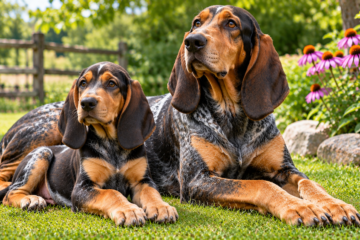
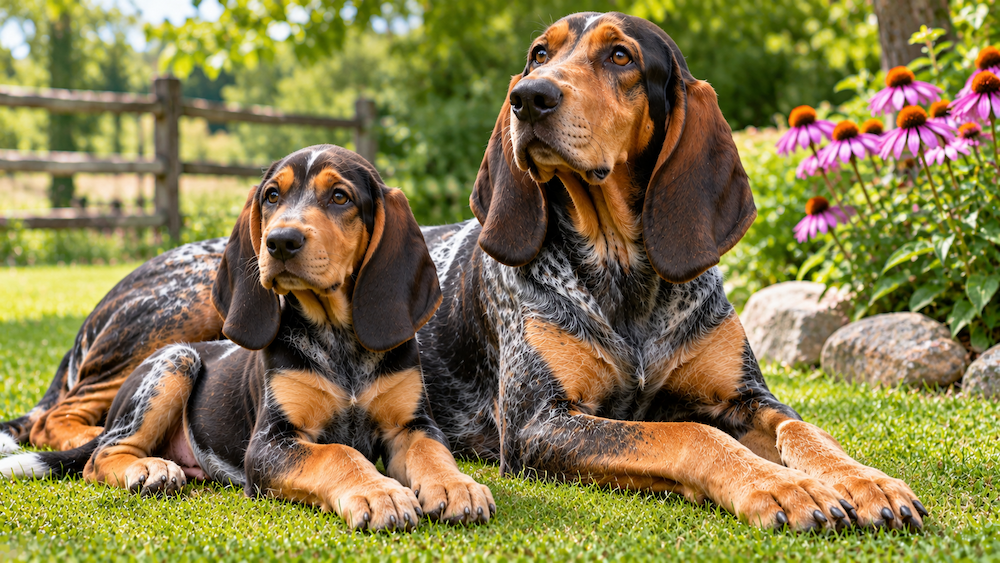
A Black and Tan Coonhound is typically substantial and laid-back indoors after exercise, while a Treeing Walker may be particularly energetic and quick on the trail. Blueticks are known for their distinctive mottled coats and vocal nature. Redbones have a striking solid-red coat, and Plott Hounds often have brindle markings. These are broad tendencies, not guarantees: the individual puppy’s parents, early experiences and training matter more than a colour description.

Coonhound Puppies for Sale Near Me in Texas
Coonhounds have strong roots in American hunting traditions, and Texas buyers may find Black and Tan, Bluetick, Redbone, Treeing Walker and other Coonhound types through responsible breeders and rehoming organizations. Availability differs across the state, so consider a reasonable travel radius rather than choosing the nearest litter automatically. Meet the puppy in person whenever possible and confirm exactly which breed or mix is being offered.
Questions to Ask a Texas Coonhound Breeder
- Can I meet the mother with the puppies and see where they have been raised?
- Which exact Coonhound breed or cross are the puppies, and what are the parents’ temperaments?
- What veterinary checks and breed-appropriate screening have the parents undergone?
- How have the puppies been socialized to people, household sounds, handling and other animals?
- What food, vaccination, worming and microchip records will be supplied?
- Will the breeder provide a written agreement and remain available for advice?
Texas does not have one universal statewide rule covering every private puppy sale. Applicable requirements can depend on the seller’s activities, location and whether a state license is required. Some cities and counties have additional animal ordinances. Ask for veterinary and vaccination records, confirm any microchip information and check local rules before buying. Avoid sellers who refuse visits, rush payment or offer to ship a puppy without meaningful verification.
Does a Coonhound Make a Good Family Dog?
Many Coonhounds are affectionate, playful and good-natured with their families. In Texas, they can thrive in active households with secure outdoor space, but a large backyard alone does not replace daily walks, scentwork and interaction. Their size and enthusiasm make supervision important around toddlers, while children should learn to respect a dog’s food, rest and personal space.
Coonhounds often enjoy canine company, but introductions should be gradual. Their hunting heritage means that cats, rabbits and other small pets may trigger chasing behavior, especially outdoors. Some individuals can live peacefully with familiar cats if raised and managed carefully; this should never be assumed.
Are Coonhounds Suitable for First-Time Owners?
A committed first-time owner can succeed with a Coonhound, but the breed group is usually easier for people who already understand scent hounds. Recall can be unreliable once an exciting trail appears, and their loud baying can create difficulties in densely populated neighborhoods. Secure fencing, realistic exercise plans and positive-reinforcement training are essential.
Coonhound Temperament and Personality
Coonhounds tend to be friendly at home but determined and independent when they catch an interesting scent. Their distinctive baying may be charming on rural acreage but challenging in closely spaced suburban neighborhoods. Check local noise ordinances and be realistic about how much vocalisation you can manage.
They may dislike being left alone for long periods, particularly without exercise or enrichment. Introduce short, positive absences gradually, provide safe food puzzles and seek help early if separation-related distress develops. A Coonhound is unlikely to be the best fit for someone wanting a very quiet dog or a pet that can be left for most of the working day.
Coonhound Exercise and Activity Requirements
Most healthy adult Coonhounds need substantial daily exercise, often 60–90 minutes or more depending on breed and individual fitness. Texas heat changes how that exercise should be scheduled: plan walks around cooler mornings and evenings, carry water and avoid hot pavement. Puppies need shorter, age-appropriate activity rather than forced running or prolonged hikes.
Exercising a Coonhound Safely in the Texas Heat
A scent trail can overpower even well-practiced recall, so use a sturdy harness and long line outside securely fenced areas. Texas wildlife, livestock and roads make uncontrolled chasing especially dangerous. A shaded, escape-resistant yard is useful, but never leave a Coonhound outdoors for extended periods in high temperatures. Watch for heavy panting, weakness, vomiting or collapse: suspected heatstroke requires immediate veterinary attention.
Hot, humid conditions along the Gulf Coast and intense summer temperatures inland can both create heat stress. Provide reliable air-conditioned indoor rest, fresh water and shade. After walks through brush or tall grass, check paws, ears and skin for ticks, burrs and irritation; discuss local parasite prevention with your veterinarian.
Training a Coonhound
Training should be consistent, reward-based and designed around the dog’s exceptional sense of smell. Food rewards, games and opportunities to investigate scents are often more effective than repetitive drills. Keep sessions short and successful; apparent stubbornness may simply mean that the environment is more rewarding than the handler.
Training Priorities for Coonhound Puppies
- Reward attention and check-ins from the first week at home.
- Practise recall on a long line before considering any off-lead freedom.
- Teach loose-lead walking before the dog becomes powerful.
- Build a reliable settle cue and reward quiet, relaxed behavior.
- Introduce calm handling of ears, paws, mouth and coat.
- Use scent games and simple tracking exercises as constructive outlets.
Avoid punishment-based approaches for barking or recall failures. If baying becomes disruptive, address the triggers, improve enrichment and work with a qualified, reward-based trainer.
Coonhound Grooming and Coat Care
Most Coonhound breeds have short, relatively easy-care coats. A weekly brush usually removes loose hair and helps distribute natural oils, although shedding varies. Bathing is needed only when dirty or smelly, using dog-appropriate products. Their long, pendulous ears deserve particular attention: check them regularly for redness, odour, discharge or discomfort, and ask a vet how to clean them safely.
Trim nails when needed, clean teeth regularly and inspect paws after outdoor adventures. In Texas, grass awns, burrs and rough terrain can irritate feet and ears. Check for ticks after outings and keep up with veterinarian-recommended flea, tick and heartworm prevention, especially in mosquito-heavy areas.
Coonhound Health and Lifespan
Depending on the particular breed, a Coonhound may live roughly 10–13 years, sometimes longer. As with other medium-to-large, deep-chested dogs, potential concerns include hip dysplasia and gastric dilatation-volvulus (GDV, or bloat). Ear infections, obesity and some breed-specific eye or inherited conditions may also occur. Risks vary considerably between Coonhound varieties and family lines.
Health Checks Before Buying
Ask for documented hip evaluations and other tests recommended for the specific Coonhound breed and family line. Responsible breeders should explain relevant inherited risks rather than simply saying the parents look healthy. Discuss weight management, ear care, joint health and the risks of gastric dilatation-volvulus (bloat) with your veterinarian.
Know the warning signs of GDV: sudden abdominal swelling, repeated unproductive retching, distress and weakness require emergency veterinary care. Maintain a healthy body condition and discuss feeding routines and individual risk factors with your vet. Routine vaccination, parasite prevention and dental care are also important.
Interesting Facts About Coonhounds
- The name comes from their historical role in tracking raccoons in North America, not from a single shared coat type.
- Their characteristic bay can carry a long distance, helping handlers locate working dogs.
- Many Coonhounds use both ground scent and airborne scent to follow a trail.
- The Plott Hound has a distinct ancestry associated with German hunting dogs brought to North Carolina.
- A Coonhound’s relaxed appearance at home can disguise exceptional stamina outdoors.
- Scentwork, tracking games and structured trail walks provide rewarding mental exercise even when Texas summer heat limits vigorous outdoor activity.
Coonhound Breed Overview
These indicative ratings describe the Coonhound group as a whole. Individual breeds and dogs can differ significantly.
Characteristic | Typical Coonhound Profile |
Origin | United States |
Breed group | Scent hound; several distinct breeds |
Size | Medium–large to large, depending on variety |
Typical lifespan | Approximately 10–13 years |
Family affection | High |
Exercise needs | High |
Trainability | Moderate; independent scent focus |
Grooming needs | Low–moderate |
Shedding | Moderate |
Vocal tendency | High; baying and howling |
Prey drive | Often high |
Apartment suitability | Generally low |
First-time owner suitability | Moderate to challenging |
Thinking About Buying a Coonhound?
A Coonhound may suit a Texas family that enjoys outdoor adventures, patient training and a companion with a strong personality. The ideal home has secure fencing, time for daily enrichment and a realistic plan for hot-weather exercise. Expect an enthusiastic nose, a distinctive voice and a dog that values companionship.
Before committing, verify the exact Coonhound variety, meet the puppy and its mother when feasible, review health and vaccination records, and budget for food, veterinary care, parasite prevention, training and secure fencing. Be cautious of unusually cheap offers, pressure to pay immediately or sellers unwilling to answer detailed questions.
Browse Coonhound and other dog listings at PetSalesTexas: https://petsalestexas.com/