Blue Heeler Puppies for Sale
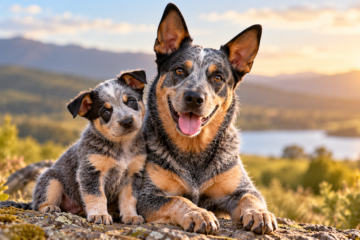
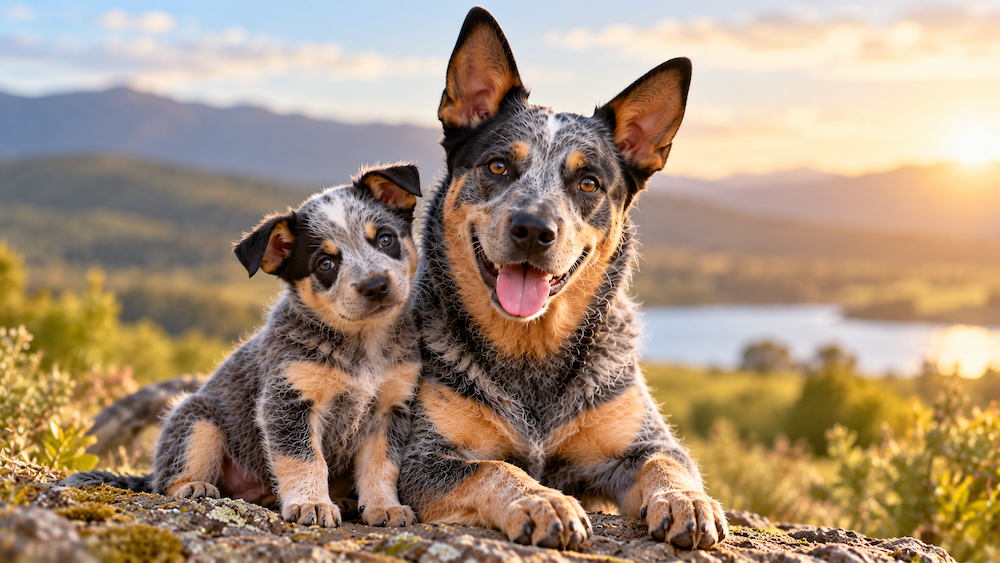
The Blue Heeler, officially known as the Australian Cattle Dog, is a highly intelligent, energetic, and fiercely loyal working breed. Originally developed to herd cattle across Australia’s rugged landscapes, this remarkable dog has become a favorite among Texas ranchers, active families, and experienced dog owners.
With its distinctive blue-speckled coat, muscular build, and alert expression, the Blue Heeler is perfectly suited to the hardworking traditions of the Lone Star State. Its natural herding instincts, exceptional endurance, and strong devotion to its owners make it particularly appealing to rural households and people who enjoy outdoor activities.
From cattle ranches in West Texas to family properties around Dallas, Houston, Austin, and San Antonio, Blue Heelers can become outstanding companions when provided with consistent training, daily exercise, and meaningful activities.
However, their remarkable intelligence and high energy levels mean they are not suitable for every household.
👉 Looking for a loyal, intelligent, and hardworking companion? Explore Blue Heeler puppies on PetSalesTexas.com.
Blue Heeler Puppies for Sale
Blue Heeler puppies are curious, confident, and full of energy. Even at a young age, they display the alertness, determination, and intelligence that have made Australian Cattle Dogs such successful working animals.
These puppies are particularly appealing to Texas families who enjoy outdoor adventures, training, and spending time with their dogs.

What Makes Blue Heeler Puppies Special?
Blue Heeler puppies are known for their:
- Exceptional intelligence
- Strong loyalty to their owners
- Distinctive blue-mottled or speckled coats
- Natural cattle-herding instincts
- Athletic, muscular bodies
- High energy and stamina
- Alert and protective personalities
- Enthusiasm for learning
Their intelligence makes training rewarding, but it also means they can develop unwanted habits when bored.
Preparing Your Home for a Blue Heeler Puppy
Before welcoming your puppy, prepare:
- A comfortable dog bed
- High-quality puppy food
- Food and water bowls
- Durable chew toys
- Interactive puzzle toys
- A securely fenced yard
- A collar or harness and leash
- Identification tags
- A crate or quiet resting area
- Training treats
Texas owners should also prepare a cool indoor resting area, especially during summer.
Blue Heeler puppies need regular opportunities to rest and should never be expected to tolerate prolonged outdoor exposure in extreme heat.
Early Socialization and Training
Early socialization is particularly important for this naturally alert and protective breed.
Introduce your puppy gradually to different people, dogs, sounds, and environments while keeping experiences positive.
Blue Heeler puppies may attempt to herd children, other pets, or moving objects by chasing and nipping at heels.
This instinctive behavior should be redirected through appropriate training and supervised activities.
A well-socialized Blue Heeler is more likely to develop into a confident, manageable, and rewarding adult companion.
Blue Heeler Puppies for Sale Near Me
Finding Blue Heeler puppies for sale in Texas may be easier than in many other parts of the United States because Australian Cattle Dogs have long been valued for ranch work and livestock management.
Their intelligence, endurance, and natural herding abilities make them particularly useful on Texas cattle properties.
Prospective buyers may find Blue Heeler puppies in Dallas, Fort Worth, Houston, Austin, San Antonio, Waco, Lubbock, Amarillo, and rural communities throughout the state.
However, choosing a responsible breeder is more important than finding the closest available litter.
Choosing a Responsible Blue Heeler Breeder
When visiting a breeder, look for:
- Healthy, confident puppies
- Clean and appropriate living conditions
- The opportunity to meet the mother
- Evidence of veterinary care
- Information about the parents’ temperaments
- Appropriate health screening
- Honest discussions about exercise requirements
- Proper early socialization
Responsible breeders should also ask questions about your lifestyle and experience with working dogs.
Health Testing to Ask About
Australian Cattle Dogs can be affected by inherited health conditions.
Ask breeders about:
- Hip dysplasia screening
- Elbow assessments where appropriate
- Progressive retinal atrophy (PRA) DNA testing
- Other inherited eye conditions
- Congenital deafness and BAER hearing testing
- Additional genetic testing relevant to their breeding lines
A responsible breeder should explain the screening performed and provide supporting documentation.
Buying a Blue Heeler Puppy in Texas
Texas buyers should check applicable state and local requirements relating to animal sales, breeder licensing, vaccinations, and ownership.
Texas has a state dog-and-cat breeder licensing framework for certain qualifying breeders, while local regulations may impose additional requirements.
Buyers should ask for veterinary records, vaccination information, and any available pedigree documentation.
Blue Heelers may be registered with organizations such as the American Kennel Club (AKC), although registration alone does not guarantee responsible breeding or good health.
Be cautious of sellers who refuse visits, cannot provide appropriate health information, or pressure buyers into making immediate payments.
👉 Browse Blue Heeler puppies for sale throughout Texas on PetSalesTexas.com.
Does a Blue Heeler Make a Good Family Dog?
The Blue Heeler can make an excellent family dog, particularly for active Texas households with sufficient time for exercise, training, and companionship.
Originally bred to control cattle across demanding terrain, these dogs possess strong working instincts that remain present even when raised as family pets.
Why Texas Families Love Blue Heelers
The breed offers several appealing qualities:
- Exceptional loyalty
- High intelligence
- Strong family bonds
- Natural alertness
- Enthusiasm for outdoor adventures
- Excellent stamina
- Willingness to learn
- Protective instincts
Blue Heelers often become deeply attached to their owners and enjoy participating in family activities.
Are Blue Heelers Good With Children?
Blue Heelers can live successfully with children when properly socialized and trained.
However, their natural herding instincts may cause them to chase running children or nip at their heels.
Families should manage this behavior from an early age.
Supervision is essential, especially around younger children.
Can Blue Heelers Live With Other Pets?
Blue Heelers can coexist with other dogs and household animals when introduced appropriately.
However, some may be selective around unfamiliar dogs or attempt to herd smaller animals.
Early socialization, gradual introductions, and consistent training are important.
Are Blue Heelers Good for First-Time Owners?
Blue Heelers are generally better suited to experienced dog owners.
Their intelligence, independence, and high energy levels can be challenging for people unfamiliar with working breeds.
First-time owners who are committed to structured training and an active lifestyle may succeed, but should carefully consider the breed’s demanding nature.
Blue Heeler Temperament and Personality
The Blue Heeler is known for its courage, determination, intelligence, and devotion.
These dogs were developed to control cattle across vast distances, requiring independence, resilience, and the ability to make decisions while working.
Typical personality traits include:
- Loyal
- Intelligent
- Energetic
- Alert
- Protective
- Determined
- Hardworking
- Independent
Are Blue Heelers Affectionate?
Yes, Blue Heelers can be extremely affectionate with their families.
They often form particularly strong attachments to one person while remaining loyal to the wider household.
Some enjoy cuddling, while others express affection by following their owners and staying close during activities.
Are Blue Heelers Protective?
Blue Heelers are naturally watchful and may be reserved around strangers.
Their alertness makes them effective watchdogs, but owners must ensure protective behavior does not develop into excessive suspicion or aggression.
Positive socialization is essential.
Do Blue Heelers Bark a Lot?
Blue Heelers are not necessarily constant barkers, but they may bark to alert their owners or when frustrated.
Boredom and insufficient exercise can contribute to excessive barking.
Can Blue Heelers Be Left Alone?
Blue Heelers prefer companionship and meaningful activities.
Leaving them alone for extended periods without stimulation may lead to destructive behavior, frustration, or excessive barking.
They are best suited to households that can provide regular interaction and a structured routine.
Blue Heeler Exercise and Activity Requirements
The Blue Heeler is a high-energy working dog requiring substantial daily exercise.
Its exceptional endurance makes it particularly suitable for active Texas owners, ranch work, and outdoor activities.
How Much Exercise Does a Blue Heeler Need?
Most healthy adult Blue Heelers benefit from approximately 90–120 minutes or more of daily physical activity, depending on age, health, fitness, and individual needs.
Suitable activities include:
- Brisk walks
- Hiking
- Running with a conditioned adult dog
- Agility training
- Obedience exercises
- Fetch and retrieving games
- Scent work
- Herding activities
- Interactive training sessions
Exercise should be balanced with mental stimulation and adequate rest.
Puppies require shorter, age-appropriate activities rather than prolonged running or strenuous exercise.
Are Blue Heelers Good Ranch Dogs?
Yes, Blue Heelers are particularly well suited to ranch environments.
Their natural ability to move cattle, work independently, and respond to training makes them valuable working companions.
However, even dogs with strong herding instincts require proper training before working livestock.
A Blue Heeler should never be expected to manage cattle safely without appropriate preparation and supervision.
Exercise During Texas Summers
Texas heat requires special precautions.
During summer, temperatures in cities such as Dallas, Houston, Austin, and San Antonio can become dangerous for active dogs.
Owners should:
- Exercise early in the morning or after temperatures fall
- Avoid hot pavement
- Provide constant access to fresh water
- Offer shaded resting areas
- Avoid strenuous activity during extreme heat
- Watch for signs of overheating
- Provide air-conditioned indoor accommodation
Even highly athletic Blue Heelers can develop heatstroke when exercised in dangerous temperatures.
Warning signs include excessive panting, weakness, drooling, vomiting, confusion, and collapse.
Suspected heatstroke requires immediate cooling and emergency veterinary attention.
Can Blue Heelers Live in Apartments?
Apartment living is generally challenging for this breed.
Although a committed owner may provide sufficient exercise and enrichment, Blue Heelers are typically better suited to active households with adequate space and opportunities for structured activity.
A large yard is helpful but does not replace daily walks, training, and mental stimulation.
Training a Blue Heeler
Blue Heelers are exceptionally intelligent and capable working dogs.
Their quick learning ability makes them highly trainable, although their independence and determination require patience and consistency.
Are Blue Heelers Easy to Train?
Blue Heelers respond particularly well to positive reinforcement.
They enjoy activities that challenge their minds and reward problem-solving.
Important training priorities include:
- Recall
- Loose-leash walking
- Sit and stay
- Impulse control
- Calm greetings
- Appropriate behavior around livestock
- Settling quietly indoors
- Social confidence
- Reliable responses to commands
Managing Herding Instincts
Blue Heelers were developed to move cattle, sometimes using controlled nipping behavior.
As family pets, this instinct may appear as chasing bicycles, running children, or other animals.
Owners should redirect these behaviors through structured training and suitable activities.
Mental Stimulation
Physical exercise alone may not satisfy a Blue Heeler.
Puzzle feeders, scent games, obedience exercises, and learning new tricks provide valuable enrichment.
A mentally engaged Blue Heeler is generally easier to manage than one whose intelligence and energy are left without an outlet.
Blue Heeler Grooming and Coat Care
The Blue Heeler has a short, dense double coat designed to protect it from challenging outdoor conditions.
Its distinctive blue appearance comes from a combination of black and white hairs, creating a mottled or speckled pattern.
Some dogs also display tan markings.
Do Blue Heelers Shed?
Yes, Blue Heelers shed throughout the year, with heavier shedding often occurring during seasonal coat changes.
Regular brushing helps remove loose hair and maintain a healthy coat.
How Often Should You Groom a Blue Heeler?
Basic grooming includes:
- Brushing once or twice weekly
- More frequent brushing during heavy shedding
- Occasional bathing
- Regular nail trimming
- Ear checks
- Dental care
- Checking paws after outdoor activities
Their practical coats are relatively easy to maintain.
Are Blue Heelers Hypoallergenic?
No, Blue Heelers are not considered hypoallergenic.
Their double coats shed hair and dander, which may trigger allergies in sensitive individuals.
Coat Care in the Texas Climate
Texas owners should pay particular attention to heat management and skin health.
Blue Heelers have protective double coats, which should not be shaved simply to make them cooler.
Regular brushing helps remove loose undercoat while preserving the coat’s natural protective functions.
Dogs working or exploring outdoors should also be checked for:
- Ticks
- Fleas
- Grass seeds
- Skin irritation
- Paw injuries
- Burrs and debris
Routine parasite prevention is especially important for dogs spending time in grassy or wooded areas.
Blue Heeler Health and Lifespan
The Blue Heeler is generally a robust breed, but prospective owners should understand its inherited health risks.
Responsible breeding and regular veterinary care are essential.
Common Blue Heeler Health Concerns
Hip Dysplasia: Abnormal development of the hip joint can cause discomfort, reduced mobility, and arthritis.
Progressive Retinal Atrophy (PRA): A group of inherited eye diseases that can lead to progressive vision loss.
Congenital Deafness: Some Australian Cattle Dogs are born with hearing impairment. BAER testing can assess hearing.
Elbow Problems: Certain dogs may experience developmental joint conditions affecting movement and comfort.
Inherited Genetic Disorders: Some breeding lines may carry additional inherited conditions for which relevant DNA tests are available.
How Long Do Blue Heelers Live?
The Blue Heeler typically has a lifespan of approximately 12–16 years, with some individuals living longer.
Maintaining a healthy weight, providing appropriate exercise, and arranging routine veterinary examinations can contribute to longevity.
Feeding a Blue Heeler
Blue Heelers require a complete, balanced diet appropriate to their age, activity level, and body condition.
Working ranch dogs may have higher energy requirements than less active family pets.
However, overfeeding can lead to obesity and increase stress on the joints.
Owners should monitor body condition and adjust food portions as necessary.
Preventative Veterinary Care in Texas
Regular veterinary care should include:
- Vaccinations, including rabies vaccination as required
- Heartworm prevention
- Flea and tick prevention
- Dental assessments
- Weight monitoring
- Joint health checks
- General health examinations
Heartworm prevention is particularly important in Texas because mosquitoes can transmit this potentially serious disease.
Owners should discuss an appropriate year-round prevention plan with their veterinarian.
Interesting Facts About the Blue Heeler
- The Blue Heeler is officially known as the Australian Cattle Dog.
- The breed was developed in Australia to herd cattle over long distances.
- Its ancestry includes herding dogs and Australian Dingoes.
- Blue Heeler puppies are generally born predominantly white, with their markings developing as they grow.
- Their blue coats may be mottled or speckled.
- Red Heelers are another color variety of the Australian Cattle Dog.
- The name Heeler comes from the breed’s traditional method of working near cattle’s heels.
- Blue Heelers are renowned for their intelligence and endurance.
- Many excel at agility, obedience, and other dog sports.
- The breed often forms exceptionally strong bonds with its owners.
- An Australian Cattle Dog named Bluey is widely reported to have lived for 29 years and five months, although such longevity is extraordinarily unusual.
- Their natural herding instincts make them particularly valuable in ranching communities.
- The breed’s stamina and work ethic have helped establish its popularity among American cattle owners.
Blue Heeler Breed Overview
Trait | Rating (1–5 ⭐) |
Beginner Friendly | ⭐⭐ |
Affection Level | ⭐⭐⭐⭐ |
Grooming Needs | ⭐⭐ |
Family Friendly | ⭐⭐⭐⭐ |
Exercise Needs | ⭐⭐⭐⭐⭐ |
Trainability | ⭐⭐⭐⭐⭐ |
Intelligence | ⭐⭐⭐⭐⭐ |
Apartment Living | ⭐⭐ |
Sociability With Other Dogs | ⭐⭐⭐ |
Protective Instinct | ⭐⭐⭐⭐ |
Texas Climate Adaptability | ⭐⭐⭐ |
Independence | ⭐⭐⭐ |
Overall Suitability for Active Texas Households: 4.5 / 5
The Blue Heeler is an exceptional choice for experienced Texas owners seeking an intelligent, loyal, and energetic companion.
Its natural herding instincts and remarkable endurance make it particularly appealing to ranchers and outdoor enthusiasts.
However, its demanding exercise requirements and need for mental stimulation make it less suitable for sedentary households.
Ratings are general breed guidance rather than scientific scores. Higher exercise and grooming ratings indicate greater requirements, while other ratings reflect typical breed tendencies.
Thinking About Buying a Blue Heeler?
Before welcoming a Blue Heeler into your Texas home, carefully consider whether you can provide the lifestyle this remarkable working breed requires.
Ask yourself:
- Can I provide substantial daily exercise?
- Do I enjoy outdoor activities and training?
- Am I prepared for a highly intelligent, energetic dog?
- Can I manage natural herding instincts?
- Do I have time for consistent training and socialization?
- Can I provide appropriate mental stimulation?
- Can I protect my dog from extreme Texas summer temperatures?
- Is my property or yard secure?
- Can I afford veterinary care, quality food, and other ongoing expenses?
- Am I prepared for a commitment of 12–16 years or potentially longer?
The Blue Heeler is much more than a hardworking cattle dog with a distinctive coat. It is an intelligent, determined, and deeply loyal companion that thrives when given meaningful activities and a close relationship with its owner.
For Texas ranchers, active families, and experienced dog lovers, the Blue Heeler can be an outstanding addition to the household.
👉 Explore Blue Heeler puppies for sale on PetSalesTexas.com and connect directly with sellers throughout the Lone Star State.
With responsible breeding, early socialization, consistent training, and plenty of exercise, the Blue Heeler can become a devoted lifelong companion, bringing intelligence, enthusiasm, and unwavering loyalty to the right Texas home.