Australian Terrier Puppies for Sale
Small, sturdy, and full of personality, the Australian Terrier is an energetic companion with a weather-resistant coat, a lively terrier spirit, and a strong attachment to its family. For Texas households, choosing this breed means planning for training, secure outdoor space, and sensible care during hot weather.
Australian Terrier Puppies for Sale
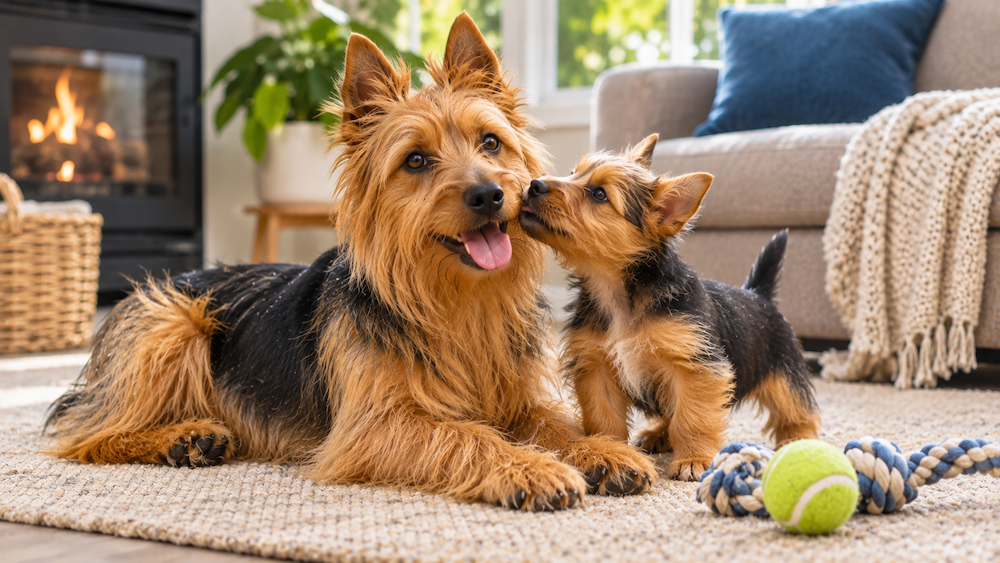
The Australian Terrier was developed in Australia as a practical working terrier, but today it is also valued as a devoted family companion. Despite its small size, this is not a delicate lapdog: it is alert, curious, and happiest when given things to investigate and do. Its rough-textured coat and distinctive ruff give it an unmistakable appearance.
Australian Terrier puppies can be less commonly advertised than many popular small breeds. Texas buyers may need to widen their search beyond their immediate city, speak with breed clubs, and be prepared to wait for a carefully raised litter. Availability should never take priority over health, temperament, and responsible breeding.
Browse Australian Terrier listings and connect with sellers at PetSalesTexas.com. Verify the seller, the puppy’s health records, and the conditions in which the litter was raised before paying a deposit.
Australian Terrier Puppies for Sale Near Me
Whether you live in Dallas–Fort Worth, Houston, Austin, San Antonio, El Paso, or a smaller Texas community, start by evaluating the breeder rather than the distance. A trustworthy seller will answer detailed questions, provide records, and allow you to understand where and how the puppies are being raised.
Be cautious of sellers offering immediate delivery without meaningful screening, insisting on unusual payment methods, or refusing a live video call or appropriate visit. If a puppy is located out of state, clarify transport arrangements, applicable veterinary paperwork, and how the puppy will be kept safe in transit.

How to Find a Responsible Australian Terrier Breeder
- Ask about the parents’ temperaments, veterinary history, and breed-relevant health screening.
- Request age-appropriate vaccination and deworming records, plus any microchip details and a written sales agreement.
- Look for puppies raised in a clean, stimulating environment with early exposure to ordinary household sights and sounds.
- Ask when the puppy can go home, what food it eats, and what support the breeder offers after purchase.
- Check applicable Texas and local requirements; licensing and sale rules can depend on the seller’s activities and jurisdiction.
Does an Australian Terrier Make a Good Family Dog?
Often, yes. Australian Terriers are affectionate, entertaining, and generally keen to join family activities. Their compact build makes them easier to accommodate than a large working dog, but their energy and independence can surprise first-time terrier owners. They tend to do best with consistent routines and people who enjoy interactive play.
Children should be taught to handle dogs gently, avoid disturbing them while eating or resting, and respect their space. As with every breed, supervise interactions between young children and dogs. Australian Terriers may coexist well with other dogs when introduced and socialized thoughtfully; their instinct to chase small animals requires special care around rabbits, rodents, and other pocket pets.
Australian Terrier Temperament and Personality
This breed is bold, observant, loyal, and sometimes mischievous. An Australian Terrier often wants to know what is happening in the yard and may alert its owners to visitors with barking. Its independent streak reflects its working background, not an inability to learn. Positive reinforcement and clear boundaries usually work better than harsh corrections.
Expect a dog that enjoys human company but also likes making its own decisions. Boredom can lead to digging, barking, or opportunistic escapes, particularly when a tempting scent or movement appears beyond the fence.
Exercise and Activity Requirements
Australian Terriers need daily exercise and mental enrichment rather than simply a place to run. Brisk walks, short training games, scent-based activities, and supervised play can all help. Individual needs vary by age and health, and puppies should not be pushed into strenuous exercise while growing.
Walking, Play, and Secure Outdoor Space
Texas heat is a major consideration. In summer, plan outdoor activity for cooler mornings or evenings, provide shade and fresh water, and check pavement temperatures before walking. Never leave a dog in a parked vehicle. Heavy panting, weakness, confusion, or collapse can indicate heat illness and require urgent veterinary attention.
A secure fence matters because Australian Terriers are keen diggers and can be quick to pursue wildlife or neighborhood cats. Inspect gates, fence bottoms, and gaps regularly. A yard is useful, but it does not replace walks, companionship, or training.
Training an Australian Terrier
Begin with short, upbeat sessions that reward desirable behavior. Teach name recognition, recall, loose-leash walking, polite greetings, and a reliable “leave it.” Early socialization should introduce the puppy gradually and positively to people, noises, surfaces, and other suitable dogs.
Terriers may test boundaries, so consistency across the household is important. Reward quiet behavior rather than inadvertently encouraging alert barking, and give the dog approved digging or puzzle activities to redirect natural instincts. Because prey drive can be strong, use a leash or a secure enclosed area rather than assuming off-leash recall will always hold.
Australian Terrier Grooming and Coat Care
The Australian Terrier has a harsh, weather-resistant outer coat with a softer undercoat. Regular brushing helps remove loose hair and prevent tangles, especially around the furnishings and ruff. Some owners maintain the traditional coat through hand-stripping; ask a groomer experienced with wire-coated terriers about the best approach for your dog.
Check ears, trim nails as needed, brush teeth routinely, and monitor the skin for irritation. Texas owners should also maintain veterinarian-recommended flea, tick, and heartworm prevention. The coat should never be assumed to make the dog immune to heat stress.
Australian Terrier Health and Lifespan
Australian Terriers commonly live into their teens, although lifespan varies with genetics, preventive care, and individual health. Choose a breeder who discusses inherited conditions openly and provides evidence of appropriate testing rather than promising that a puppy can never develop a problem.
Health Issues to Discuss With a Breeder
- Patellar luxation: kneecap instability that may cause intermittent skipping or lameness.
- Legg-Calvé-Perthes disease: a hip condition that can affect small-breed dogs.
- Eye health: ask about any family history of inherited eye disorders and relevant examinations.
- Diabetes and other metabolic concerns: discuss known problems in the breeder’s lines and long-term veterinary care.
- Dental health: small dogs can be prone to dental disease without regular home care and veterinary checks.
A Texas veterinarian can help establish a preventive care plan tailored to local mosquitoes, fleas, ticks, and other risks. Maintain appropriate vaccinations and keep your dog at a healthy weight.
Interesting Facts About the Australian Terrier
- The Australian Terrier is one of the earliest native Australian dog breeds developed for practical work.
- Its compact size disguises a confident, determined personality.
- The breed is traditionally seen in blue-and-tan, sandy, or red coat colors.
- Australian Terriers often enjoy digging and investigating scents because of their working heritage.
- They can make lively companions for active households without needing the space required by a large breed.
Australian Terrier Breed Overview
Origin | Australia |
Size | Small; typically about 15–20 lb (7–9 kg) |
Height | Around 10–11 in (25–28 cm) at the shoulder |
Coat | Harsh, straight outer coat with soft undercoat |
Common colors | Blue and tan; sandy; red |
Temperament | Alert, affectionate, bold, independent |
Exercise needs | Moderate; daily walks and play |
Trainability | Good with patient, reward-based training |
Grooming | Regular brushing; specialist coat care may help |
Family suitability | Often good with respectful children and supervision |
Other pets | Careful introductions; strong small-animal chase instinct |
Typical lifespan | Approximately 11–15 years, sometimes longer |
Texas considerations | Heat safety, secure fencing, parasite prevention |
Thinking About Buying an Australian Terrier?
An Australian Terrier can be an excellent choice for a Texas home that wants a small dog with real character. The right owner can offer daily interaction, thoughtful training, secure boundaries, and a safe routine during the hottest months. Before committing, budget for quality food, veterinary care, grooming, training, and unexpected expenses throughout the dog’s life.
Take time to compare breeders and ask questions. A healthy, well-socialized puppy from a responsible source is worth waiting for.
Browse Australian Terrier listings and connect with sellers at PetSalesTexas.com. Verify the seller, the puppy’s health records, and the conditions in which the litter was raised before paying a deposit.