Kai Ken Puppies for Sale
Looking for Kai Ken puppies for sale in Texas? Explore this rare Japanese brindle breed, what life with a Kai Ken is really like, and how to find a responsible breeder before bringing a puppy home.
Kai Ken for Sale
The Kai Ken is an uncommon Japanese dog with a distinctive brindle coat, upright ears and a reputation for loyalty, agility and alertness. Originally developed for hunting in mountainous terrain, it is best suited to people who enjoy active, engaged companionship rather than a low-effort pet.
Kai Ken litters are relatively rare in Texas and throughout the United States. Buyers may need to contact specialist breeders, join a waiting list or travel to meet a litter. Avoid rushing into a purchase because a puppy is advertised as immediately available.
Browse listings on PetSalesTexas.com and contact sellers directly. Verify the breeder, health documentation and puppy’s living conditions independently before paying a deposit.
Kai Ken Puppies for Sale Near Me
Searching for Kai Ken puppies near Houston, Dallas–Fort Worth, Austin, San Antonio or elsewhere in Texas may produce few genuine results. Expand your search carefully, but do not purchase a puppy sight unseen solely because it is difficult to find this breed locally.
How to choose a responsible Kai Ken breeder
- Ask to meet the puppy and its mother, ideally where the litter has been raised, or arrange a detailed live video visit when distance makes an initial visit impractical.
- Request verifiable health-screening results for the parents and a written explanation of any inherited concerns in their lines.
- Ask how puppies are socialized to household noises, visitors, handling and age-appropriate experiences.
- Confirm veterinary records, vaccinations, parasite prevention, identification details and a clear written sales contract.
- Look for a breeder who discusses the breed’s independence, hunting instincts and suitability for your home rather than promising every puppy will be easy.
Texas and local rules governing dog breeding, sales, licensing and animal welfare can vary according to the seller’s circumstances and jurisdiction. Check the requirements that apply to your transaction and never assume a listing alone proves compliance.

Does a Kai Ken Make a Good Family Dog?
A well-bred, thoughtfully socialized Kai Ken can become a deeply devoted family companion. Many form strong attachments to familiar people but are more reserved with strangers than outgoing companion breeds. They do best in households that respect their need for gradual introductions and consistent routines.
Teach children to handle dogs gently and supervise all interactions, particularly around food, toys and resting spaces. The breed’s athleticism and quick reactions may be better suited to families comfortable with an energetic, observant dog.
Living with other pets
Some Kai Ken coexist well with other dogs and cats, especially when introduced carefully. However, the breed’s hunting background means chasing small animals can be a concern. Supervise introductions and never assume a dog will be safe around rabbits, poultry or other small pets.
Kai Ken Temperament and Personality
Kai Ken are intelligent, alert, agile and often quietly affectionate with their own family. Their independent decision-making is part of their appeal, but it can surprise owners expecting instant obedience. Early socialization should build confidence without forcing a puppy into overwhelming situations.
Meet adult relatives when possible. Ask about responses to strangers, dogs, traffic, livestock and unfamiliar places, as temperament varies between individuals and breeding lines.
How Much Exercise Does a Kai Ken Need?
Adult Kai Ken generally need substantial daily activity and mental enrichment. Brisk walks, hiking, reward-based training, scent games and structured play are useful outlets. A backyard alone rarely meets the needs of an active hunting breed.
Exercise safely in Texas heat
Texas summers can be dangerous for dogs, especially during humid Gulf Coast weather and extended heat waves. Plan exercise for cooler mornings or evenings, test pavement temperature with your hand, carry water and provide air-conditioned rest. Heavy panting, weakness, vomiting or collapse may indicate heat illness and require urgent veterinary attention.
Secure fencing and wildlife
Kai Ken may follow an interesting scent or chase wildlife. Use secure fencing, supervise yard time and build recall skills on a long line in safe areas. Check gates and fence gaps; an athletic dog may find ways out of an unsecured yard.
Is a Kai Ken Easy to Train?
Kai Ken learn quickly but may not enjoy repetitive drills. Short, varied reward-based sessions tend to be more productive than harsh corrections. Focus early on recall, loose-leash walking, calm greetings, settling indoors and safe handling.
- Reward desired behavior with treats, toys and play.
- Introduce new people, surfaces, sounds and other dogs gradually and positively.
- Practice recall in fenced areas before adding distractions.
- Teach leave-it and impulse-control cues around moving animals.
- Build comfortable alone time in small steps and consider a qualified positive-reinforcement trainer.
Kai Ken Grooming and Coat Care
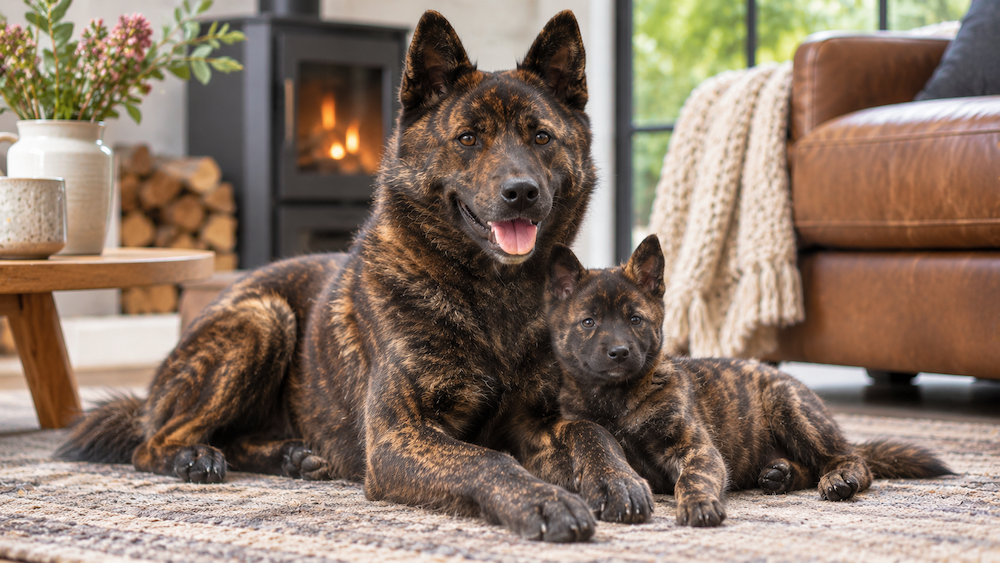
The Kai Ken has a dense double coat with a brindle pattern that may range from dark black brindle to red brindle. Weekly brushing usually manages routine shedding, but seasonal coat changes can require more frequent grooming. The coat should not be shaved for summer cooling.
Keep nails trimmed, brush teeth regularly and check ears and paws after outdoor adventures. In Texas, ask your veterinarian about year-round flea, tick and heartworm prevention appropriate to your location and lifestyle.
Kai Ken Health and Lifespan
Kai Ken are often considered relatively robust, but rarity does not eliminate inherited disease. Breeding programs should assess orthopedic soundness and discuss any eye, allergy or other health concerns identified in their lines. Ask for actual screening records rather than accepting vague claims that the parents are “health tested.”
Questions to ask about health
- What hip or other orthopedic evaluations have the parents received?
- Are there inherited eye disorders or other recurring conditions in the family?
- What veterinary examination, vaccinations and deworming has the puppy received?
- How does the breeder manage genetic diversity and avoid overly close matings?
- What written health agreement and support are provided after purchase?
Establish care with a Texas veterinarian soon after bringing your puppy home. Discuss core vaccines, parasite prevention, nutrition, spaying or neutering timing and the safest exercise plan as your puppy grows.
Interesting Facts About the Kai Ken
- The breed originated in Japan’s former Kai Province, now within Yamanashi Prefecture.
- Its distinctive tiger-striped brindle coloring inspired the nickname “tora inu,” or tiger dog.
- The Kai Ken is one of Japan’s native dog breeds and historically worked in rugged mountainous areas.
- The breed remains unusual in North America, so careful breeder research is particularly important.
- Its athleticism and keen senses make scent games and varied outdoor enrichment especially appealing.
Kai Ken Breed Overview
Breed origin | Japan |
Size | Medium |
Typical weight | Approximately 25–40 lb (11–18 kg); individuals vary |
Typical lifespan | Approximately 12–15 years |
Coat | Dense double coat; brindle |
Shedding | Moderate; heavier seasonally |
Exercise needs | High |
Trainability | Intelligent, independent; responds to patient rewards |
Family suitability | Good for active, experienced households with supervision |
Apartment suitability | Possible with significant daily exercise and enrichment |
Texas climate considerations | Avoid midday heat; provide shade, water and indoor cooling |
Grooming | Weekly brushing; more during shedding seasons |
Thinking About Buying a Kai Ken?
Before committing, be realistic about the time required for training, exercise, secure management and companionship. Kai Ken can be wonderful dogs for suitable owners, but their independent nature and hunting heritage are not a match for every household.
Ask for a clear contract, health records and the puppy’s age and identification information. Confirm any applicable Texas or municipal requirements and be cautious of pressure to send a deposit immediately, unusual payment requests or sellers unwilling to answer detailed questions.
Explore available listings at PetSalesTexas.com. Take time to research each breeder and choose a healthy, well-socialized puppy from a responsible source.