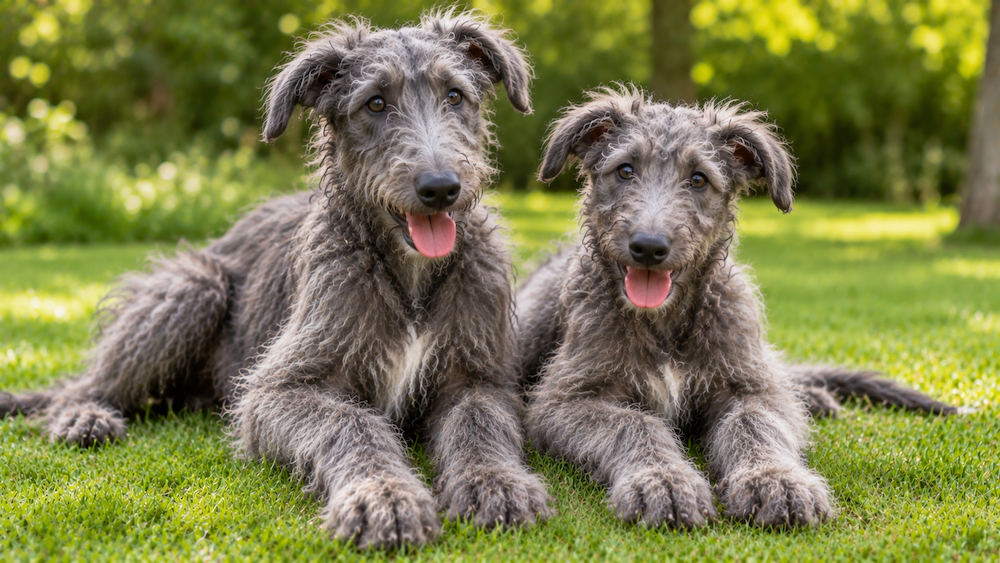
Scottish Deerhound Puppies for Sale
Looking for Scottish Deerhound puppies for sale in Texas? This towering, gentle Scottish sighthound can be a devoted companion for households prepared for its size, exercise needs, and careful management in the Texas heat.
Buying a Scottish Deerhound Puppy in Texas
Where Can I Find Scottish Deerhound Puppies for Sale Near Me?
Scottish Deerhounds are uncommon in Texas, so finding a well-bred puppy may require patience and travel. Start with reputable breed clubs, established breeders, and thoughtfully screened listings. Be cautious of sellers offering immediate shipping, unusually low prices, or puppies without verifiable health and identification records.
Browse local pet listings and explore available puppies at https://petsalestexas.com/
How Do I Choose a Responsible Scottish Deerhound Breeder?
A responsible breeder welcomes questions about the dam and sire, explains the breed’s giant-dog needs, provides veterinary records, and discusses health screening and any conditions known in the family line. Ask about cardiac evaluations, orthopedic history, and the breeder’s approach to inherited conditions. A breeder should be willing to discuss the possibility of osteosarcoma, bloat, and other serious risks without making guarantees.
Request a written purchase agreement, vaccination and deworming history, a realistic feeding plan, and details of any return policy. Meet the mother and see the puppies’ environment where practical. Confirm applicable local rules and never send a deposit before verifying the seller.
When Can a Scottish Deerhound Puppy Come Home?
Puppies generally should not leave their mother and littermates before eight weeks of age. The best timing may be later for individual litters. Confirm the puppy is eating independently, has received age-appropriate veterinary care, and is ready for a gradual transition to its new home.
What Does a Scottish Deerhound Cost to Own?
The purchase price is only the beginning. Budget for large quantities of quality food, appropriately sized bedding and equipment, routine veterinary visits, parasite prevention, and potentially substantial emergency-care costs. Giant breeds also require suitable transportation and space for safe movement.

Is a Scottish Deerhound a Good Family Dog?
What Is a Scottish Deerhound’s Temperament Like?
Scottish Deerhounds are usually gentle, dignified, affectionate dogs. They are often calm indoors after appropriate activity, yet their athletic background means they can accelerate quickly outdoors. They enjoy companionship and generally respond best to patient, reward-based training rather than harsh handling.
Are Scottish Deerhounds Good with Children and Other Pets?
Many are lovely with considerate children, but their height and strength mean young children should always be supervised. Early, positive socialization is essential. Their strong sighthound instinct can make them unsuitable for homes with small free-roaming pets; even a friendly dog may chase an animal that runs.
Can Scottish Deerhounds Live in Apartments?
Their quiet indoor manner can be surprising, but a very large dog still needs room to stretch, secure outdoor exercise, and an owner able to meet its physical needs. A house with a securely fenced yard is often more practical than a small apartment. A fence should be tall and sturdy, and off-leash exercise should take place only in secure areas.
How Much Exercise Does a Scottish Deerhound Need?
Adults benefit from daily walks and opportunities to run safely in a fully enclosed area. Puppies should not be pushed into prolonged forced running or repetitive high-impact exercise while growing. Discuss age-appropriate activity with your veterinarian. Recall may be unreliable when prey is moving, so use a leash outside secure spaces.
Scottish Deerhound Care, Health and Breed Overview
How Do Scottish Deerhounds Cope with Texas Heat?
Texas summers require particular care. Walk early in the morning or late in the evening, provide reliable air-conditioning, constant fresh water, and shaded rest, and avoid hot pavement. Never leave a Deerhound in a parked vehicle. Heavy panting, weakness, vomiting, or collapse can signal heatstroke and require urgent veterinary attention. Short-coated ears and exposed skin may also need sensible sun protection.
Grooming and Coat Care
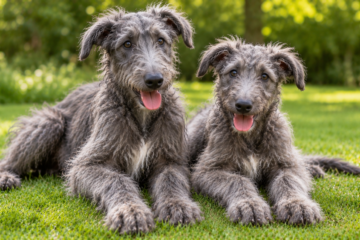
The harsh, wiry coat needs regular brushing and occasional hand-stripping or tidying to remove dead hair and prevent tangles. Check the beard, feet, and ears after outdoor activities. Keep nails short and maintain routine dental care. The breed sheds, but its grooming demands are usually more manageable than those of many long-coated giant dogs.
What Health Problems Affect Scottish Deerhounds?
Important concerns include gastric dilatation-volvulus (GDV or bloat), cardiomyopathy and other heart disease, osteosarcoma (bone cancer), and certain inherited conditions. Discuss health testing and family longevity with breeders. Ask your veterinarian about bloat risk, signs of an emergency, and whether preventive gastropexy is appropriate. Maintain a lean body condition and schedule regular examinations.
Texas owners should also discuss year-round heartworm prevention, flea and tick control, and local parasite risks with their veterinarian. Preventives should be chosen for the individual dog and administered according to veterinary advice.
Scottish Deerhound Breed Overview
Origin | Scotland |
Breed group | Giant sighthound |
Typical height | Approximately 28–32+ inches at the shoulder |
Typical weight | Approximately 75–110+ lb; varies by sex and individual |
Coat | Harsh, wiry, often blue-gray, gray or brindle |
Temperament | Gentle, affectionate, independent, athletic |
Family suitability | Often excellent with considerate families; supervise children |
Exercise | Daily activity plus secure opportunities to run |
Grooming | Regular brushing and coat tidying |
Climate considerations | Needs strong protection from Texas heat |
Typical lifespan | Often around 8–11 years; individual variation |
Interesting Facts About the Scottish Deerhound
Historically bred to pursue red deer in Scotland, the Deerhound combines tremendous speed with an unexpectedly soft household manner. Its long legs, deep chest, and narrow build are designed for running, not for the rough-and-tumble endurance activities sometimes expected of working breeds.
Ready to Welcome a Scottish Deerhound Puppy?
Before bringing one home, prepare a cool indoor resting area, secure fencing, a suitably sized vehicle, a trusted veterinarian, and a realistic giant-breed budget. Choosing a health-conscious breeder and planning for Texas weather will help give your puppy the best start.
Explore pet listings at https://petsalestexas.com/