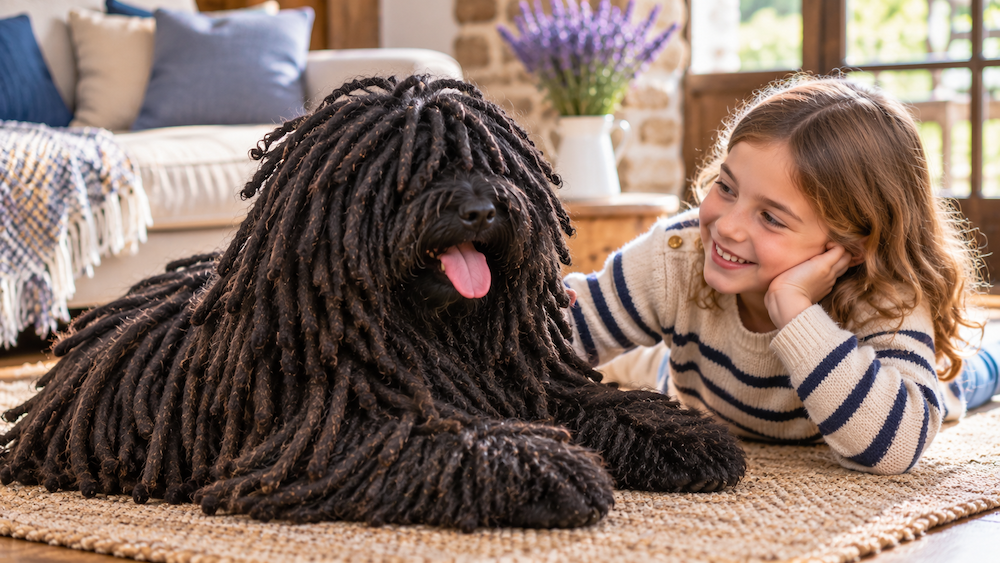
Puli Puppies for Sale
The Puli is an energetic Hungarian herding dog famous for its distinctive corded coat, quick intelligence and loyal nature. For Texas households, choosing this breed means planning for serious grooming, plenty of activity and careful protection from summer heat.
Buying a Puli Puppy in Texas
Puli puppies are relatively uncommon in Texas. A thoughtful search may involve contacting established breeders beyond your immediate city and waiting for a well-planned litter. Prioritize health, temperament and early socialization over convenience or an attractive advertisement.
Where Can I Find Puli Puppies for Sale Near Me?
Start with breed-club resources and breeder referrals, then broaden your search across Dallas–Fort Worth, Houston, Austin, San Antonio and other Texas communities. Because the breed is rare, a breeder outside Texas may be worth considering if you can verify their practices and arrange safe, responsible transportation.
Explore dog listings at PetSalesTexas.com. A listing is a starting point, not a guarantee of breeder quality; verify the seller and puppy independently.
Choosing a Responsible Puli Breeder
- Ask to meet the mother and see the puppies’ living environment, either in person or through a credible live video visit when travel is impractical.
- Request documented parental hip evaluations and relevant eye examinations; discuss inherited conditions and the health history of the breeding line.
- Obtain veterinary records, vaccination and deworming history, any microchip information, a written contract and clear return provisions.
- Look for puppies raised with everyday household sounds and positive handling; a good breeder should ask about your exercise and grooming plans.
Texas breeding, sales and licensing requirements depend on the operation and may also involve local ordinances. Confirm the seller’s obligations with the relevant Texas and municipal authorities. Avoid puppies offered too young, sellers unwilling to answer questions, or demands for irreversible deposits before verification.

How Much Does a Puli Puppy Cost?
Price depends on breeder reputation, pedigree, health screening and availability. Rather than quoting a figure that may be misleading for a rare breed, request a full written breakdown and budget for ongoing veterinary care, training, quality food, insurance and specialist coat maintenance. Be wary of unusually low prices or high-pressure sales tactics.
Is a Puli a Good Family Dog?
A well-socialized Puli can be a lively, affectionate family companion. However, this is an alert working breed with considerable drive, not a decorative lapdog. It generally suits active owners who can provide structure, daily interaction and meaningful mental stimulation.
Puli Temperament and Personality
Pulik (the plural of Puli) are agile, observant and quick to learn. Many bond closely with their family but may be reserved with strangers or vocal when alerting to activity. Their livestock-herding background can show up as circling or chasing fast-moving children and pets, making early socialization and consistent guidance important.
Are Pulik Good with Children and Other Pets?
With appropriate introductions and supervision, many Pulik live happily with respectful children and other animals. Teach children not to tug the coat cords or interrupt a resting dog. Watch for herding behavior during active play, and manage introductions to cats and smaller pets according to the individual dog.
Exercise Requirements for a Puli in Texas
Healthy adults typically need substantial daily activity, often around an hour or more depending on age and condition, plus games and training that challenge the mind. In Texas, schedule walks and play for early mornings or cooler evenings during hot months. Avoid hot pavement, provide shade and water, and use indoor enrichment when heat or humidity makes outdoor exercise unsafe. Puppies need shorter, age-appropriate activity.
Training a Puli Puppy
Reward-based training works well with this intelligent, sometimes independent breed. Begin with recall, loose-leash walking, polite greetings, settling and calm responses to visitors. Use short, varied sessions and teach an alternative behavior to persistent alert barking. A securely fenced yard is helpful, but it does not replace supervised exercise or training.
Puli Grooming, Health and Breed Overview
How to Care for a Puli’s Corded Coat
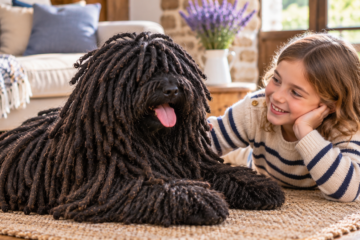
A Puli puppy starts with a soft, fluffy coat; cords develop as the dog matures. Owners must regularly separate forming cords by hand, remove trapped debris, inspect the skin and dry the coat thoroughly after bathing. This can be time-consuming, particularly in humid Texas weather. Some families choose a shorter trimmed coat, but it still requires consistent brushing and skin care. Seek guidance from a groomer familiar with corded breeds.
Common Puli Health Concerns
Discuss hip dysplasia, inherited eye disorders and other conditions relevant to the breeder’s lines. Ask for actual health-test documentation rather than relying on verbal assurances. Routine veterinary care should include dental health, weight management, vaccinations and a locally appropriate parasite-prevention plan.
Keeping a Puli Comfortable in the Texas Climate
The dense coat and active nature require particular attention in Texas summers. Keep the dog in a cool indoor environment during extreme heat, never leave it in a parked vehicle and watch for excessive panting, weakness, vomiting or collapse—possible signs of heatstroke requiring immediate veterinary help. Mosquito-borne heartworm disease, fleas and ticks also warrant year-round discussions with a Texas veterinarian. Check cords for burrs and grass seeds after outdoor adventures.
Interesting Facts About the Puli
- The Puli originated in Hungary as a nimble livestock-herding dog.
- Its coat can develop long, rope-like cords, but puppies are born without a fully corded coat.
- Black is a familiar color, although other accepted shades exist under breed standards.
- Despite its unusual appearance, the Puli is athletic and often enjoys agility and other dog sports.
Puli Breed Overview
Breed origin | Hungary |
Breed group | Herding |
Typical size | Medium; approximately 22–33 lb (10–15 kg) |
Typical lifespan | Approximately 12–16 years |
Coat | Dense, naturally cord-forming double coat |
Grooming needs | Very high; specialist coat care |
Exercise needs | High; adjust for Texas heat |
Trainability | High with positive, consistent training |
Family suitability | Good for active, committed households |
Apartment suitability | Possible with sufficient exercise and barking management |
Shedding | Loose hair may remain in cords; not hypoallergenic |
Best suited to | Owners who enjoy active dogs and hands-on grooming |
Thinking About Buying a Puli in Texas?
Before buying, consider whether your household can handle daily activity, alert barking, regular training and demanding coat care. Meeting an adult Puli and seeing the grooming routine in person can be especially valuable. Take the time to compare breeders and ask for independent evidence of health screening.
Browse pet listings on PetSalesTexas.com and verify breeder credentials, puppy welfare and all health records before paying a deposit.